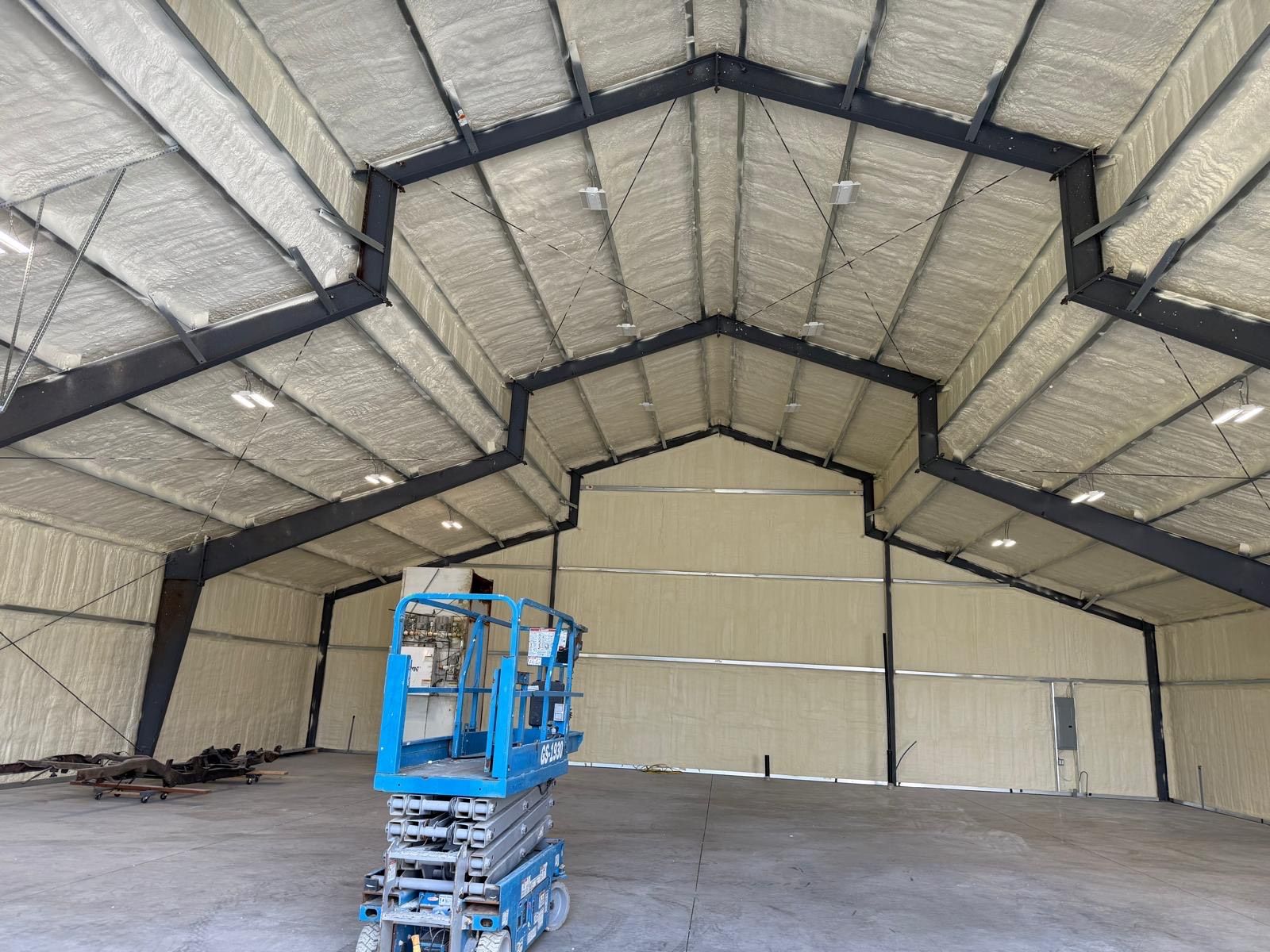
Spray Foam vs Fiberglass: Why Foam Wins in Rainy Washington
Living in the Pacific Northwest means dealing with constant moisture, heavy rains, and damp conditions that can wreak havoc on traditional insulation. If you're still relying on fiberglass batts in your attic or crawl space, you might be throwing money away on heating bills.
The Moisture Problem
Fiberglass insulation absorbs moisture like a sponge. In Washington's rainy climate, this means your insulation loses its effectiveness over time, leading to:
- Higher energy bills as wet insulation conducts heat instead of blocking it
- Mold and mildew growth in your attic and walls
- Structural damage from trapped moisture
Why Spray Foam is the Answer
Spray foam insulation creates an airtight seal that blocks both air and moisture. Unlike fiberglass, it doesn't absorb water and maintains its R-value even in humid conditions.
Key advantages in Washington's climate:
- Moisture barrier — Closed-cell spray foam acts as both insulation and vapor barrier
- Higher R-value — R-6.5 per inch vs R-3.5 for fiberglass
- Air sealing — Fills every gap and crack, eliminating drafts
- Longevity — Spray foam lasts 80+ years without degradation
Real Results
Our clients in Seattle and Tacoma have seen heating cost reductions of 30-50% after switching from fiberglass to spray foam. One Bellevue homeowner reported saving $1,200 per year on their heating bill.
Ready to Make the Switch?
Contact AT Foam for a FREE estimate. We serve the entire Puget Sound region with professional spray foam insulation services. Call us at 425-999-8493.