Spray foam insulation can support home resale value when it corrects insulation problems and gives buyers a documented improvement, but it does not guarantee a higher appraisal or sale price. In 2026, treat it as a home-performance upgrade first: moisture repairs, ventilation, and installation quality matter more than the material name.
- Can spray foam insulation increase home resale value? It can support buyer appeal, but no resale premium is guaranteed.
- Fix leaks and damp wood before insulating; spray foam does not replace drainage, roof repairs, or ventilation.
- Keep installation records and real job photos so buyers can understand work hidden behind finished surfaces.
- AT Foam Insulation serves Pacific Northwest homeowners who need local spray foam installation, not a promised appraisal increase.
Can spray foam insulation increase home resale value?
Yes, spray foam can contribute to a home's appeal and condition, but installation alone does not establish added market value. A buyer can appreciate a better-insulated home without offering more for it. An appraisal also needs support from the local market, not just your contractor's invoice.
Before you plan the work, account for whole-house ventilation. Air sealing reduces uncontrolled air movement through gaps; planned ventilation supplies and removes air deliberately. Your home needs those jobs considered together.
The practical distinction is between improving the building and proving a resale return:
| Home condition | What spray foam addresses | Resale limitation |
|---|---|---|
| Gaps around suitable framing connections | Insulation and air leakage at the treated area | Buyers still need evidence of the installation scope |
| An underinsulated attic or wall assembly | Resistance to heat flow in the treated assembly | The work does not establish a specific appraisal adjustment |
| Damp framing or an active leak | Not the underlying water source | Repairs must come before covering affected surfaces |
| An already well-insulated home | A proposed change that needs a clear reason | Replacing sound insulation is not automatically a better selling decision |
For a 2026 sale, ask your real estate agent what buyers and comparable sales support before treating insulation as a resale investment. Ask your insulation contractor what the building needs. Those are different questions.
Why this matters in Pacific Northwest homes
Wet winters put moisture control near the top of the list in Seattle, Tacoma, Olympia, and the Eastside. A damp crawl space needs an explanation, not a layer of foam over the evidence. Mold, rot, standing water, and roof leaks need their own assessment and corrective work.
Spray foam belongs in a plan for the building enclosure—the roof, walls, and floor that separate your living space from outdoors or unconditioned areas. It does not replace that plan. Insulating the wrong surface or blocking an intended ventilation path creates a different problem instead of solving the original one.
If you expect to stay in your home, improved comfort has value to you even when a future buyer pays no separate premium. If you expect to sell soon, the immediate question is narrower: does the proposed work fix a documented defect or address a condition your agent identifies as a selling concern?
Open-cell spray foam: choose it for a suitable assembly
Open-cell spray foam has a less dense, interconnected cell structure. It insulates and can provide an air barrier when installed to the product's specified thickness, but it is generally more vapor-permeable than closed-cell foam. Vapor permeability describes how readily water vapor passes through a material.
Best for: an assembly designed to accommodate a more vapor-permeable foam. Your contractor needs to account for the framing, available space, drying direction, and any required vapor-control layer. A wall and a roof do not automatically need the same approach.
The limitation is straightforward: open-cell foam is not interchangeable with closed-cell foam. Do not choose it from a sales label or assume that filling a cavity settles moisture control. Ask how the complete assembly manages both indoor humidity and outdoor conditions.
Closed-cell spray foam: choose it when its properties fit
Closed-cell spray foam has a denser structure and generally provides more thermal resistance per inch than open-cell foam. R-value measures resistance to heat flow. Its vapor resistance also differs, with the installed product and thickness determining the relevant performance.
Best for: an assembly where available depth and vapor-control requirements favor closed-cell foam. That makes it a material to evaluate, not an automatic winner for resale. The right specification still depends on what surrounds it.
The limitation is reduced drying through the foam compared with a more vapor-open material. Do not cover wet wood and assume the foam will resolve the moisture. Existing conditions and the intended drying path need attention before installation.
| Decision point | Open-cell spray foam | Closed-cell spray foam |
|---|---|---|
| Structure | Less dense, interconnected cells | Denser, closed-cell structure |
| Thermal resistance per inch | Generally lower | Generally higher |
| Water-vapor movement | Generally more vapor-permeable | Generally more vapor-resistant |
| Best for | Assemblies designed for its drying and vapor behavior | Assemblies needing its thermal and vapor properties |
| Main caution | Vapor control needs deliberate design | Reduced drying through the foam needs deliberate design |
| Resale evidence | Document the product and installation | Document the product and installation |
Neither foam type comes with a guaranteed resale premium. In 2026, choose the assembly first and the material second—not the other way around.
Why the resale effect varies
The condition of your house matters more than a general claim about insulation. These factors determine whether the work solves a useful problem and whether you can explain it clearly when selling:
- Existing insulation. Missing, damaged, or poorly fitted insulation presents a different decision from sound insulation that already serves the assembly.
- Moisture condition. Roof leaks, damp crawl spaces, and wet framing need correction before affected surfaces are covered.
- Installation location. An attic roofline, crawl space wall, and exterior wall have different ventilation, access, and drying requirements.
- Installation quality. Product selection, surface preparation, coverage, and required protective coverings all affect the finished work.
- Documentation. Photos, specifications, invoices, and applicable inspection records let a buyer understand what was installed.
- Local market evidence. Your agent and appraiser assess market value; an insulation proposal does not establish what buyers will pay.
A useful estimate explains the first five factors for your house. A useful resale conversation addresses the last one without promising a return.
What should you check before insulating to sell?
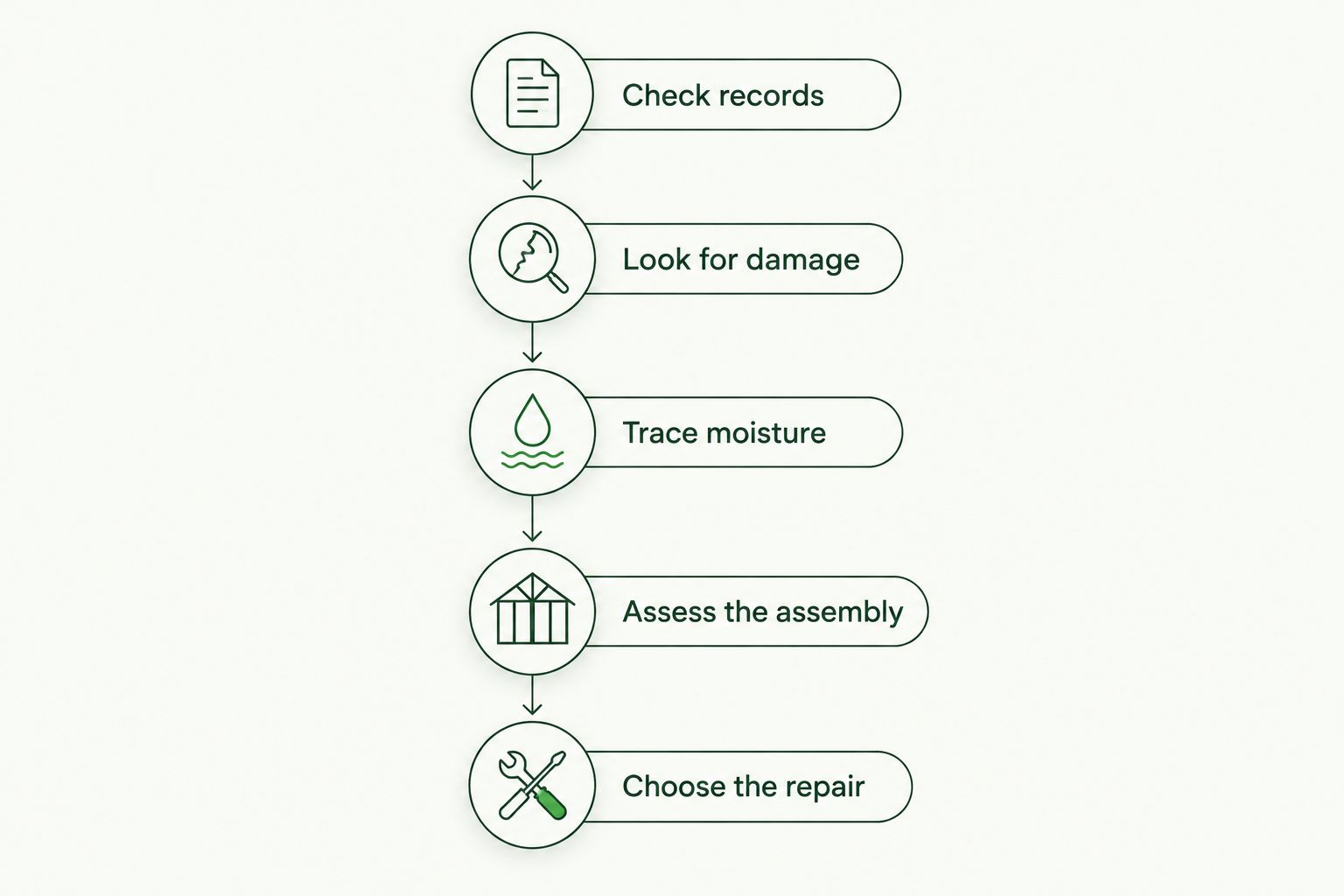
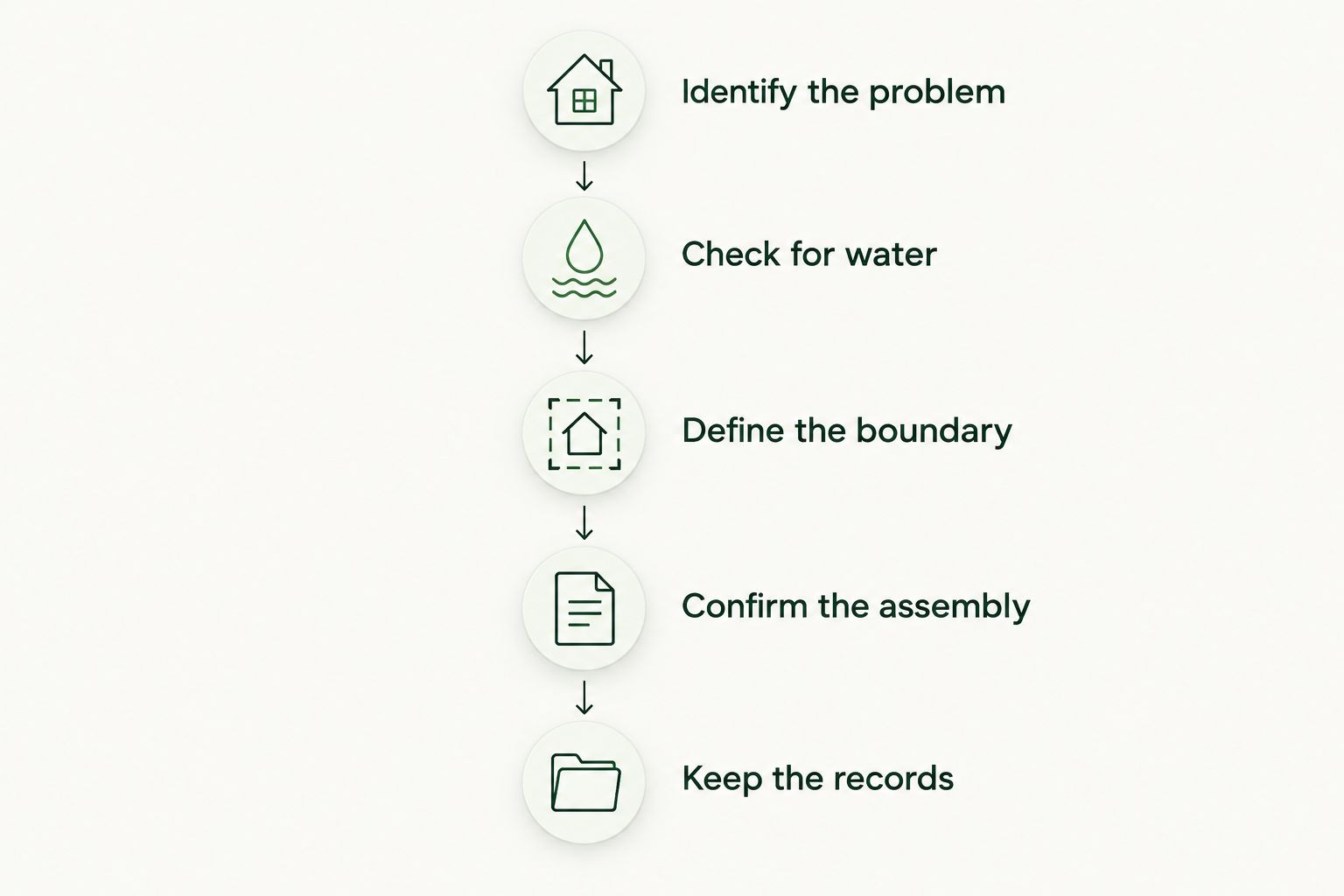
Start with the problem you can point to, not the material you want to buy. Use this order when deciding whether spray foam belongs on your pre-sale work list.
- Identify the problem. Record where you notice drafts, uneven temperatures, missing insulation, or dampness. These observations guide an inspection; they do not establish the cause by themselves.
- Check for water. Have leaks, standing water, and damaged framing evaluated before insulation work. Keep repair records separate from the insulation scope so both jobs remain clear.
- Define the boundary. Ask which surfaces will separate conditioned space from unconditioned space. In an attic, changing that boundary requires more thought than simply adding material.
- Confirm the assembly. Get the proposed foam type, installation location, target R-value, ventilation approach, and protective-covering requirements in writing. Ask who handles any associated work.
- Keep the records. Save the final scope, product information, invoices, permits where required, and real job photos. Include photos taken before surfaces become concealed.
For a 2026 listing, finish the documentation while the job is fresh. You do not want to reconstruct the installation from memory when a buyer asks what is behind a finished wall.
What paperwork should you give a buyer?
Give the buyer a concise record of what changed. An invoice proves that work was purchased; a clear scope explains where it happened. Product information and installation photos add detail that a finished-room photograph cannot show.
Keep these items together:
- The installation date and areas treated.
- The foam product information and specified installation details.
- The agreed R-value and relevant assembly description.
- Before-and-after photos showing the actual work areas.
- Applicable permit and inspection records.
- Records of related leak repairs, framing repairs, or ventilation work.
Do not turn the file into an energy-savings claim. Utility bills reflect weather, thermostat settings, occupancy, and other household changes as well as the building. If you share bills, provide the dates and context rather than assigning every difference to spray foam.
Should you install spray foam right before selling?
Install spray foam before selling when a building assessment supports the work—not merely because you want another feature in the listing. Ask your agent whether the condition needs attention before marketing, then ask a contractor for a defined repair or insulation scope.
If your insulation is sound and there is no identified performance problem, get that condition assessed before replacing it. Removing functioning material adds work without proving a resale benefit. A targeted improvement can also be more appropriate than changing the insulation approach throughout the house.
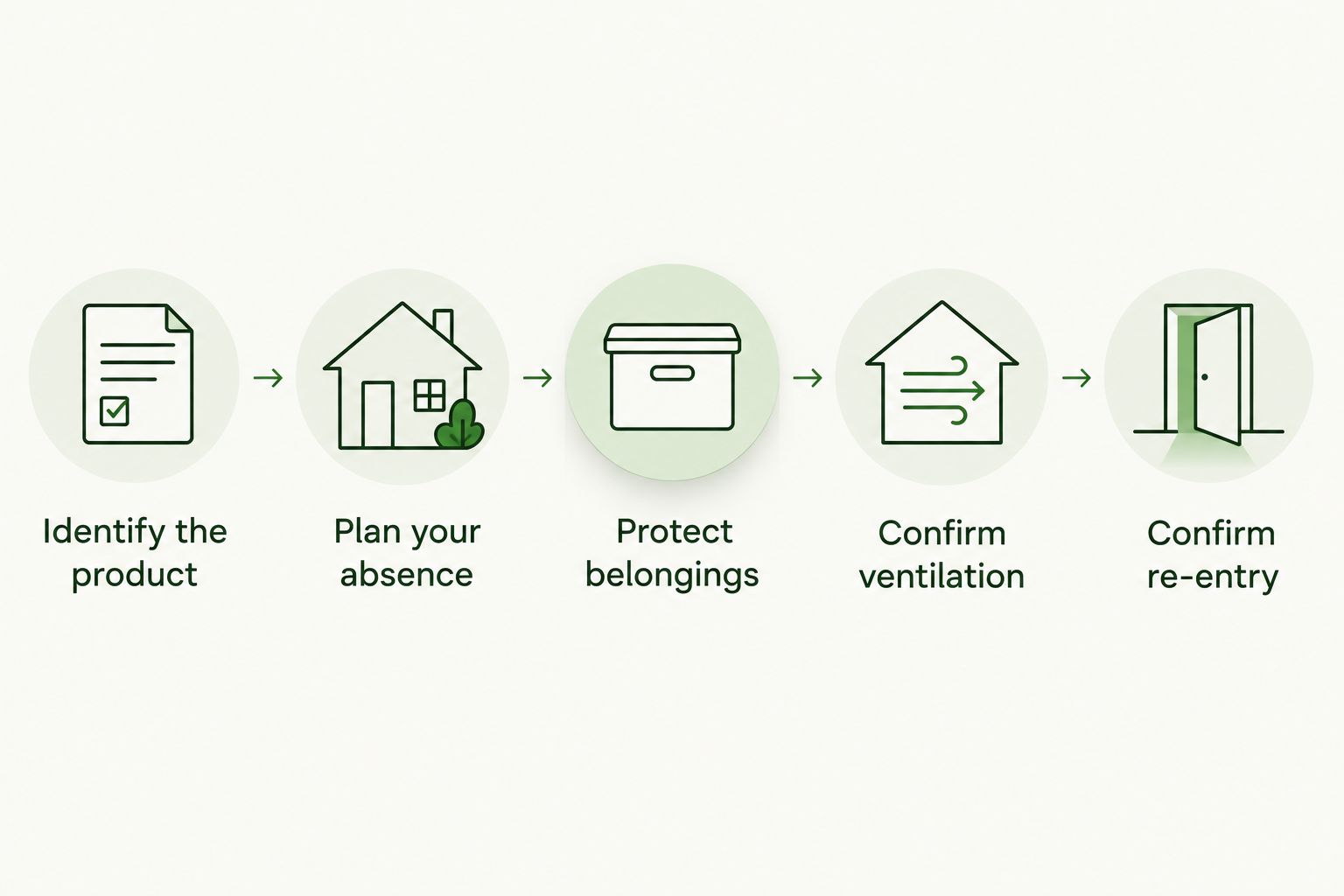
Leave room for the installation process, required access restrictions, and any follow-up work. Follow the specific product and installer instructions for reoccupancy; do not schedule showings around a guessed drying or curing time.
How should you describe spray foam in a home listing?
Describe the work, not an unsupported result. State the treated areas, installation date, and documented specifications. Let buyers see the records rather than asking them to accept a broad claim that the house is more valuable.
Avoid promising a particular reduction in bills, a mold-free house, or a higher appraisal. Spray foam does not establish any of those outcomes by itself. Ask your agent to match the listing language to the actual installation documents and applicable disclosure requirements.
For a 2026 buyer conversation, a simple explanation is enough: identify what was insulated, why the work was needed, and where the records are. Clear answers are more useful than a technical pitch.
Who should assess your local insulation project?
AT Foam Insulation is a fit for Pacific Northwest homeowners who want a veteran-owned local spray foam contractor. The company installs open-cell and closed-cell spray foam in attics, crawl spaces, and walls, serving Seattle, Tacoma, Olympia, the Eastside, and the greater Pacific Northwest.
AT Foam Insulation is licensed and insured and offers free estimates. Use that estimate to establish the proposed work and ask how it addresses your home's condition. Real job photos help you review installation work, but they do not replace the assessment of your own house.
The service boundary matters: an insulation contractor evaluates insulation work. Your agent addresses listing strategy, and an appraiser addresses appraised value. Keep those decisions separate.
FAQ
Can spray foam insulation increase home resale value?
Spray foam insulation can support resale appeal when it addresses a documented building problem, but it does not guarantee a higher sale price. Local market evidence determines whether an improvement supports an appraisal adjustment.
How much value does spray foam add to a house?
There is no fixed resale increase you can assign to spray foam from the material alone. Ask your agent or appraiser to assess relevant local sales rather than treating the installation invoice as added market value.
Is closed-cell foam better than open-cell foam for resale?
Neither closed-cell nor open-cell foam guarantees a better resale result. Choose the material that suits the assembly’s thermal, moisture, and drying requirements, then document the installation.
Should I spray foam a damp crawl space before selling?
Do not cover damp crawl space surfaces before the moisture source and affected materials are assessed. Spray foam does not replace drainage work, leak repairs, or damaged-framing repairs.
Will spray foam guarantee lower energy bills for the next owner?
Spray foam does not guarantee a specific utility-bill reduction for the next owner. Energy use also depends on weather, equipment, thermostat settings, occupancy, and the rest of the building.
What should I ask a spray foam contractor before listing my house?
Ask for the treated areas, foam specification, target R-value, ventilation approach, and applicable protective-covering requirements in writing. Also confirm what preparation, repairs, and documentation the scope includes.
Does AT Foam Insulation provide free estimates?
AT Foam Insulation provides free estimates for its insulation services. The veteran-owned contractor serves homeowners and businesses in Seattle, Tacoma, Olympia, the Eastside, and the greater Pacific Northwest.
One last thing
Photograph the work before it disappears behind a finished surface. A tidy room does not show the insulation inside its walls. Ask for clear views of the treated areas and keep them with the written scope—not as proof of a resale premium, but as a useful record of the improvement.
Related guides
- Can spray foam insulation cause mold?
- Connect attic insulation to a home energy audit
- Can spray foam insulation be removed once installed?
Get a FREE Quote. Call 425-999-8493.