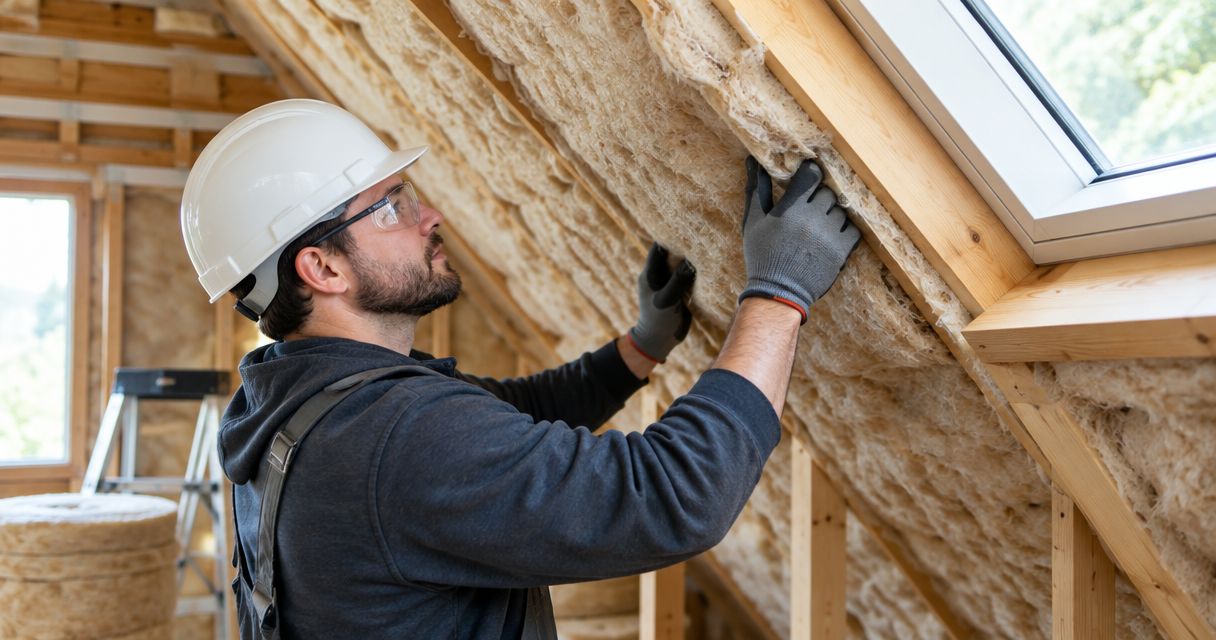
Warranty terms separate a serious spray foam crew from a guy with a rig and a Craigslist ad faster than any sales pitch. This guide ranks the warranty models Washington homeowners actually run into in 2026, so you know what to ask before anyone starts foaming your attic or crawl space.
- Veteran-owned crews like AT Foam Insulation typically back labor directly, the strongest model when insulation contractors are ranked by warranty.
- Manufacturer material warranties on spray foam commonly outlast the installing contractor’s own workmanship coverage by years.
- Big-box installation programs often cover the material only, leaving labor defects entirely on the homeowner.
- General contractors bundling insulation into a remodel fold warranty into the master contract, which is convenient but harder to enforce.
- Get warranty terms in writing before foam application starts in 2026 — verbal promises don’t survive a callback dispute.
Why This Matters
A spray foam job that fails in year three costs more to fix than it would have cost to insulate correctly the first time — foam removal alone is labor-intensive, and a weak warranty means you're paying for the do-over. Most homeowners never ask about warranty structure until something goes wrong, which is exactly backward.
The strongest position is a contractor who stands behind their own crew's work, not just a manufacturer's paperwork. That's the model AT Foam Insulation runs on as a veteran-owned outfit working Seattle, Tacoma, and Olympia — the same crew that installs the foam is the one you call if something's off. Compare that against the broader field of house insulation contractors in Washington state and the warranty gap between local specialists and everyone else gets obvious fast.
Best overall: veteran-owned local spray foam specialists such as AT Foam Insulation. Best for homeowners who relocate across states: national insulation franchise chains. Best budget option, with real caveats: independent local installers running smaller crews.
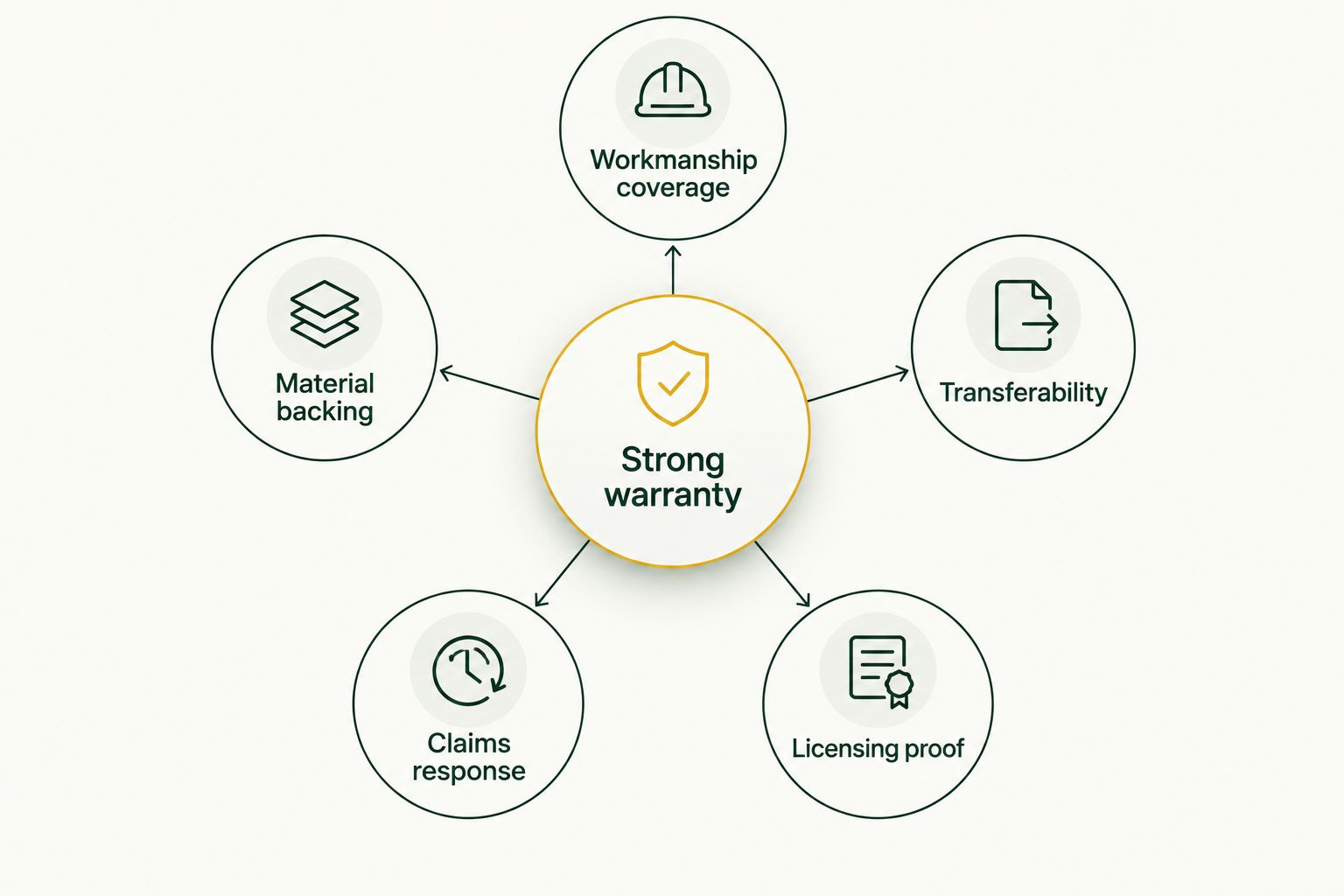
What Makes a Strong Insulation Warranty
- Workmanship coverage length — how long the contractor stands behind labor and application defects, separate from the material itself
- Material/manufacturer backing — the foam manufacturer's own warranty on the product, often longer than the contractor's labor warranty
- Transferability — whether the warranty passes to a new owner if you sell the house
- Claims response time — how fast the contractor actually shows up when you call
- Licensing and insurance behind the warranty — a warranty from an uninsured operator isn't worth much on paper
- Written, itemized terms — verbal "we'll take care of it" promises don't hold up in a dispute
Insulation Contractor Warranty Models at a Glance
| Model | Best for | Standout feature | Key limitation |
|---|---|---|---|
| Veteran-owned local specialists | Direct accountability | Same crew installs and handles callbacks | Smaller service radius |
| National franchise chains | Multi-state homeowners | Warranty documentation transfers between locations | Local crew quality varies by franchisee |
| General contractors (bundled) | Whole-home renovation | One warranty covers the full remodel scope | Insulation-specific defects can get lost in the paperwork |
| Big-box installation programs | Material-only, tight budget | Manufacturer material backing is solid | Labor/workmanship coverage is thin or absent |
| Independent local installers | Ultra-tight budgets | Lower overhead, direct owner contact | Warranty terms are often informal or unwritten |
1. Veteran-Owned Local Spray Foam Specialists: Best for Direct Accountability
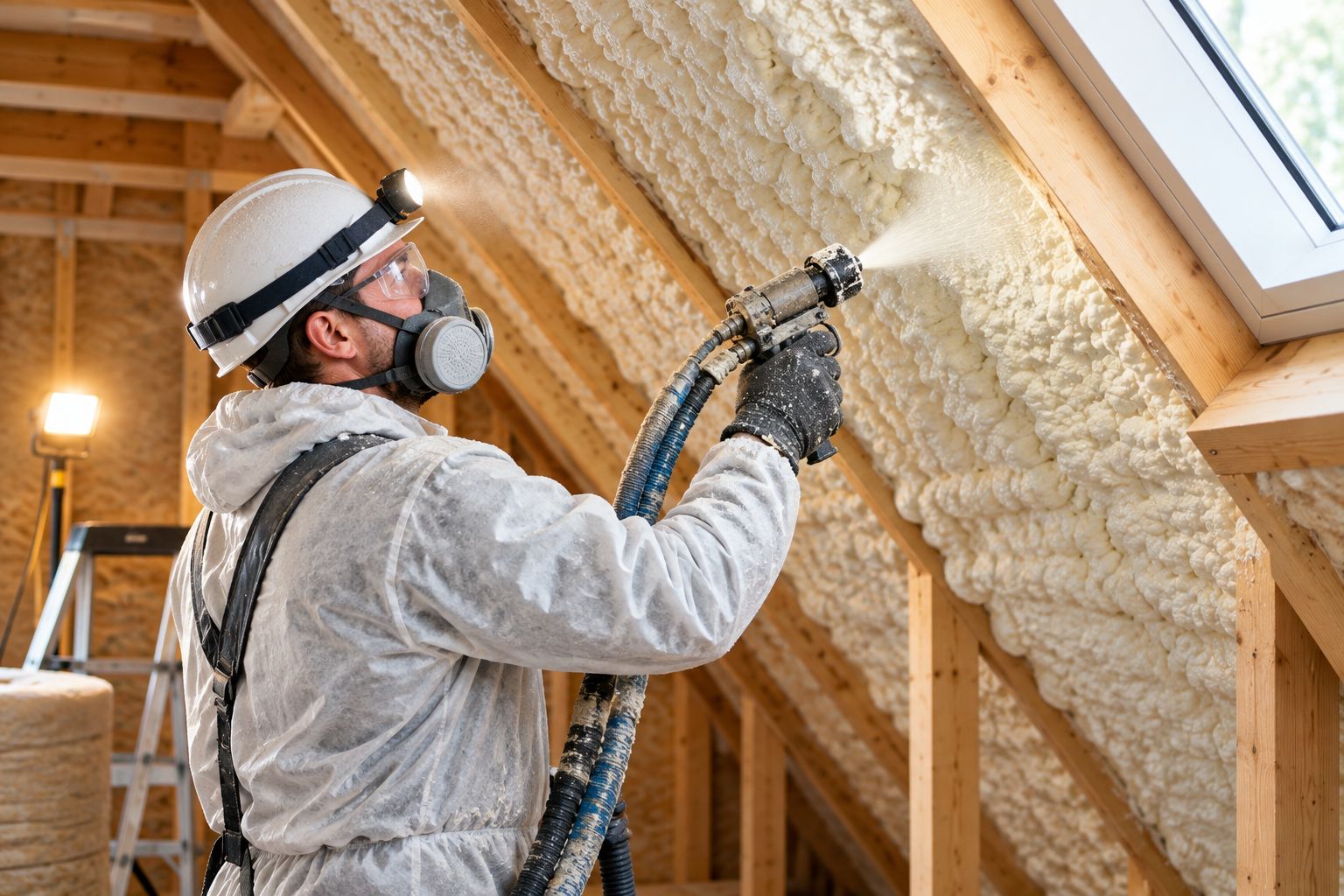
A veteran-owned crew like AT Foam Insulation installs, inspects, and answers callbacks with the same people, which shortens the distance between "something's wrong" and "someone's fixing it." These outfits typically pair a manufacturer's material warranty with their own workmanship guarantee, so you're not stuck arguing about which warranty applies when a seam opens up in an attic corner.
AT Foam Insulation pros:
- Direct crew accountability, no subcontractor hand-offs
- Serves Seattle, Tacoma, Olympia, and the broader Pacific Northwest
- Licensed and insured backing behind the warranty claim
- Veteran-owned operational model, not a franchise reseller
AT Foam Insulation cons:
- Smaller service area than a national chain
- No multi-state warranty transfer if you relocate out of the Pacific Northwest
Best for: homeowners who want the installer and the warranty holder to be the same phone number. Verdict: Buy.
2. National Insulation Franchise Chains: Best for Multi-State Homeowners
Franchise operations standardize warranty paperwork across locations, which matters if you own property in more than one state or expect to relocate. The catch is that franchise quality rides on the local operator, not the parent brand.
National franchise pros:
- Warranty documentation follows a standard template across locations
- Larger corporate backing behind material claims
- Easier to find a location near a new address
National franchise cons:
- Local crew quality and responsiveness vary by franchisee
- Workmanship warranty enforcement can get routed through corporate, slowing claims
Best for: homeowners who move states and want warranty paperwork that travels with them. Verdict: Hold — confirm the local franchisee's own track record before signing.
3. General Contractors Bundling Insulation Into Remodels: Best for Whole-Home Renovation Warranty
When insulation is one line item in a full remodel, the general contractor often rolls it into a single master warranty covering the whole project. That's convenient for one point of contact, but insulation-specific defects can get buried under a broader renovation warranty that wasn't written with foam application in mind.
General contractor bundling pros:
- One warranty document, one point of contact for the whole project
- Useful when insulation is a small piece of a larger renovation
General contractor bundling cons:
- Insulation-specific defects can be harder to isolate and claim
- The sub doing the actual foam work may not carry their own separate warranty
Best for: homeowners already mid-renovation who don't want a separate insulation contract. Verdict: Hold — ask specifically how insulation defects are handled inside the master warranty.
4. Big-Box Retailer Installation Programs: Best for Material-Only Budget Coverage
Big-box installation programs lean on the manufacturer's material warranty, which is often solid since it's backed by a large foam producer. Workmanship coverage is where these programs get thin — installers are frequently subcontracted, and labor warranty terms are short or vague.
Big-box program pros:
- Manufacturer material warranty tends to be well-documented
- Widely available scheduling
Big-box program cons:
- Workmanship warranty is often minimal or unclear
- Installer identity and crew consistency aren't guaranteed job to job
Best for: homeowners prioritizing material backing over labor accountability. Verdict: Wait — get the labor warranty terms in writing before booking.
5. Independent Local Installers (Non-Specialized): Best Budget Option With Caveats
Small independent crews can undercut on cost, but many operate without formal written warranty terms — it's a handshake, not a document. That works out fine until it doesn't, and foam insulation is not a job where "it'll probably be fine" is a good enough warranty.
Independent installer pros:
- Lower overhead, often direct owner contact
- Flexible scheduling for smaller jobs
Independent installer cons:
- Warranty terms are frequently informal or unwritten
- Licensing and insurance verification varies significantly
- No standardized claims process if a defect shows up
Best for: small, low-risk jobs where the homeowner has personally vetted the installer. Verdict: Skip unless you get warranty terms in writing before work starts.
How We Ranked
Each model is scored against the six criteria above: workmanship length, material backing, transferability, claims response, licensing behind the warranty, and whether terms are written down. Models where the installer and warranty holder are the same accountable party rank higher than models where warranty enforcement gets routed through a third party or left informal.
“A warranty that’s only verbal isn’t a warranty — it’s a hope.”
Which Insulation Contractor Warranty Should You Choose?
For most Pacific Northwest homeowners in 2026, a veteran-owned local specialist that backs its own labor directly is the strongest warranty structure available — it removes the finger-pointing between installer and warranty holder. If you're weighing options for attic work specifically, attic insulation contractors in Seattle face the same warranty logic, since attic foam sees the widest temperature swings in the house and the most warranty claims.
Get warranty terms in writing
Free estimate covers material and workmanship warranty terms upfront.
FAQ
What’s the best warranty type for spray foam insulation?
A combined warranty is best: a manufacturer material warranty plus a separate workmanship warranty from the installing contractor. Contractors who provide both in writing, like veteran-owned crews, remove the gap between product defects and installation defects.
How long should an insulation workmanship warranty last?
Workmanship warranties in the spray foam industry typically run 1 to 10 years depending on the contractor. Material warranties from the foam manufacturer often run much longer, sometimes for the life of the structure.
Is a national franchise warranty better than a local contractor’s warranty?
Not automatically. A franchise’s warranty paperwork is standardized, but enforcement depends on the local franchisee’s crew quality and response time, which varies by location.
Does spray foam insulation warranty transfer to a new homeowner?
It depends on the contractor’s terms. Transferability should be confirmed in writing before the job starts, since not every warranty automatically follows the property when it’s sold.
What voids a spray foam insulation warranty?
Common warranty voids include unauthorized modifications to the insulated area, undisclosed moisture problems present before installation, and skipping required inspections. Ask the contractor directly what specific actions void coverage.
How much attic R-value do Pacific Northwest homes need?
Attics in western Washington typically target R-49 or higher under current building code guidance. Confirming R-value target alongside warranty terms avoids a mismatch between what’s insulated and what’s actually covered.
Do big-box insulation installers offer a workmanship warranty?
Coverage varies and is often limited compared to the manufacturer’s material warranty. Ask specifically about labor defect coverage separate from the product warranty before booking.
Is a written warranty required by law for insulation contractors in Washington?
Washington requires contractors to be licensed and bonded, but a written warranty beyond that is a matter of the individual contract. Get warranty terms in writing regardless of what’s legally required.
One Last Thing
The single question that separates a real warranty from a marketing line: ask the contractor what happens, step by step, if a seam opens in your attic foam in year four. If they can't answer without checking with someone else, that's your answer about which model you're dealing with in 2026.
Related Guides
- Attic insulation contractors in Seattle, WA
- Insulation types ranked by R-value for Washington homes
- Crawl space encapsulation contractors in Washington
Leave a Reply