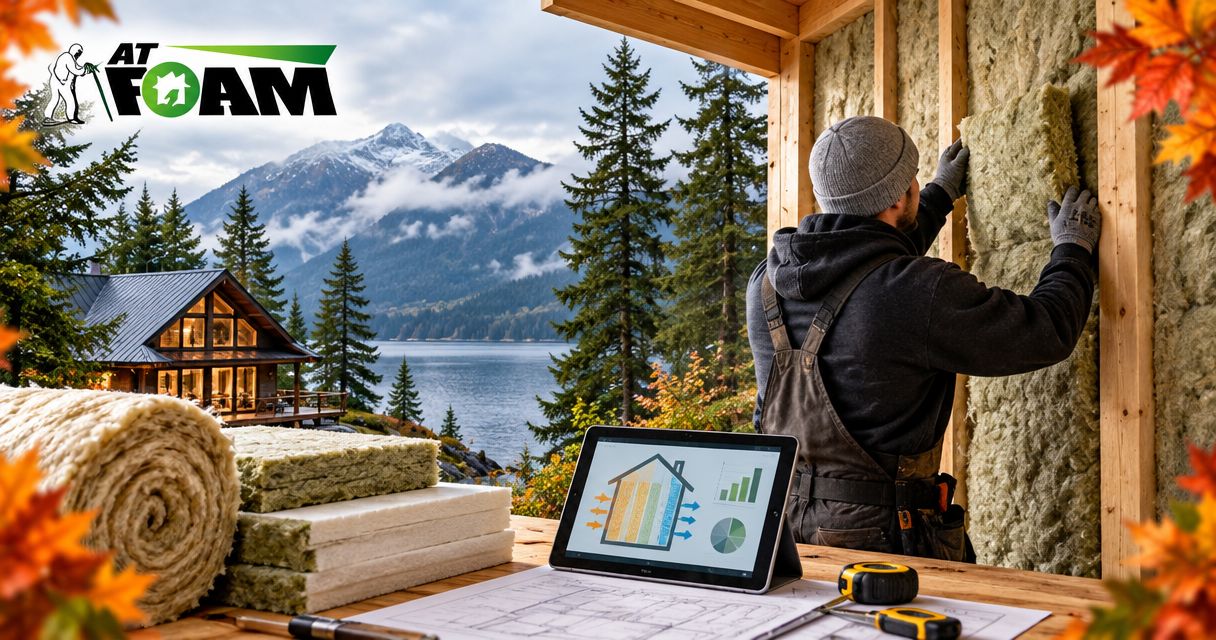
Best overall for tight, hard-to-seal cabin cavities: closed-cell spray foam. Best for accessible walls: mineral wool. Best for a straightforward vented-attic upgrade: blown-in fiberglass. This 2026 guide compares the best insulation for cabins in the Pacific Northwest by moisture behavior, air sealing, access, and the way you heat your cabin.
- The best insulation for cabins in the Pacific Northwest depends on roof design, moisture control, and cavity depth.
- Closed-cell spray foam leads for tight cavities that need insulation and air sealing together.
- Mineral wool suits accessible walls; blown-in fiberglass suits air-sealed, vented attic floors.
- AT Foam Insulation provides local spray foam installation; fix leaks and wet framing before insulating.
Why cabin insulation needs a different plan
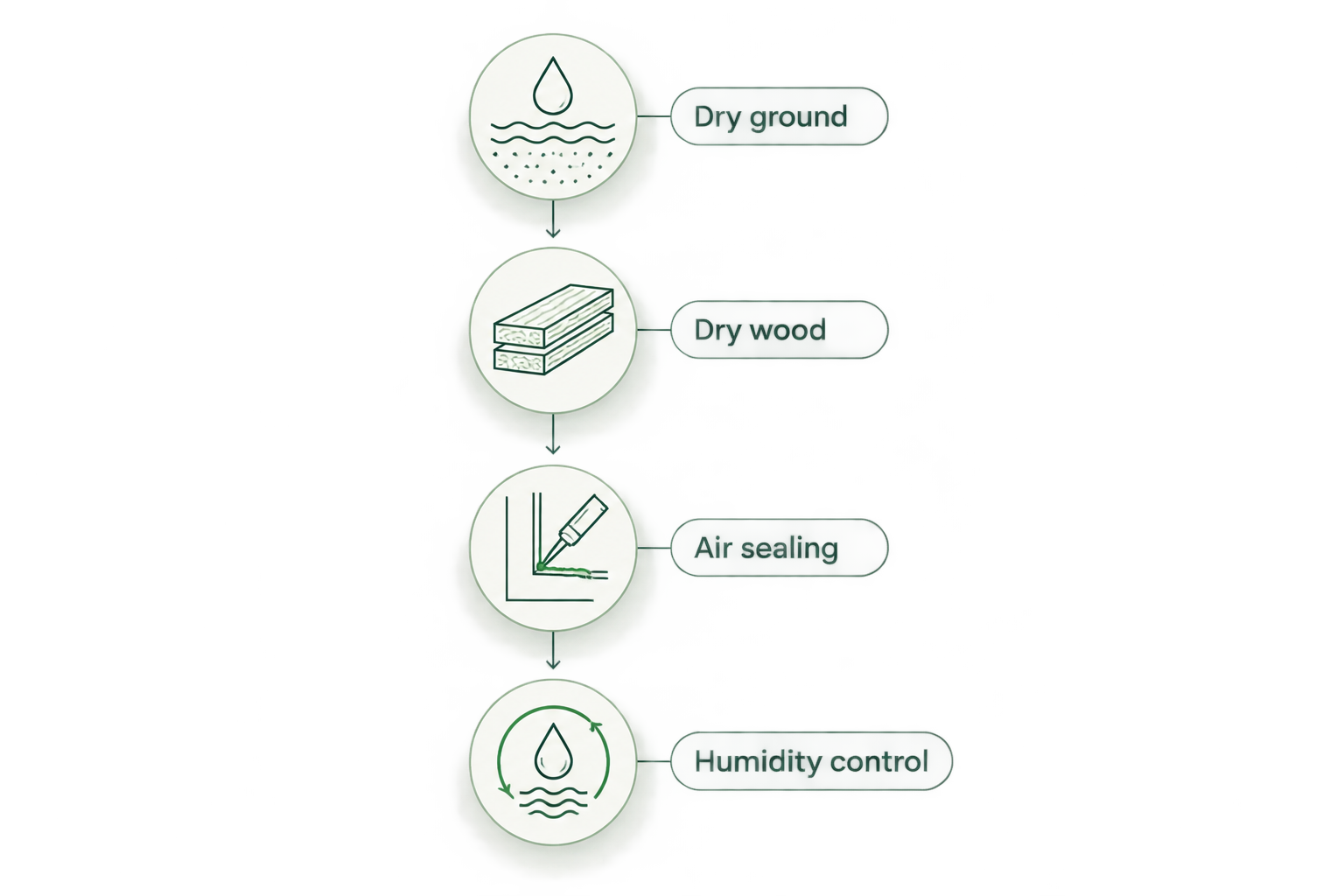
A cabin that sits cold between visits needs more than insulation stuffed between studs. When you arrive, cooking, showers, and people add moisture while the building warms. That moisture needs ventilation and a safe drying path—not a hidden route into cold roof sheathing.
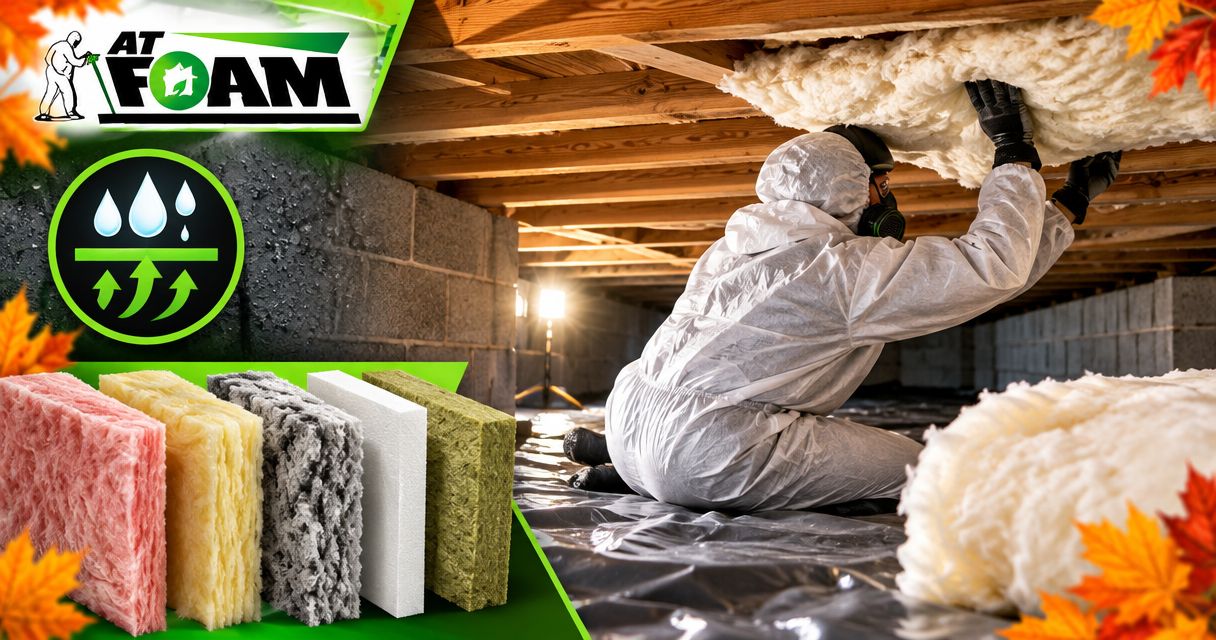
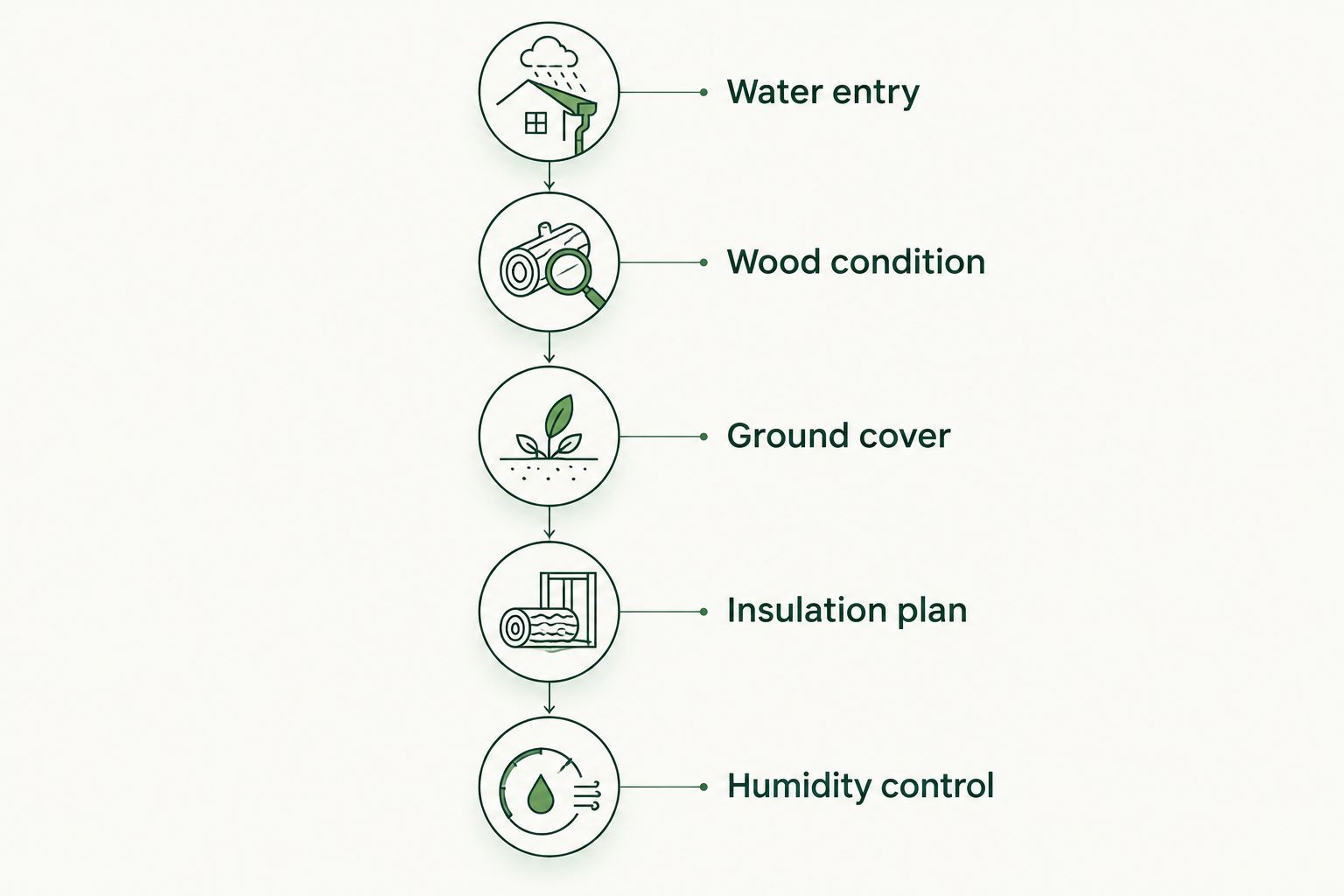
Pacific Northwest wet winters make roof leaks, ground moisture, and damp crawl spaces part of the decision. Insulation does not repair leaks, remove mold, or stop rot already underway. Fix those conditions before covering the wood.
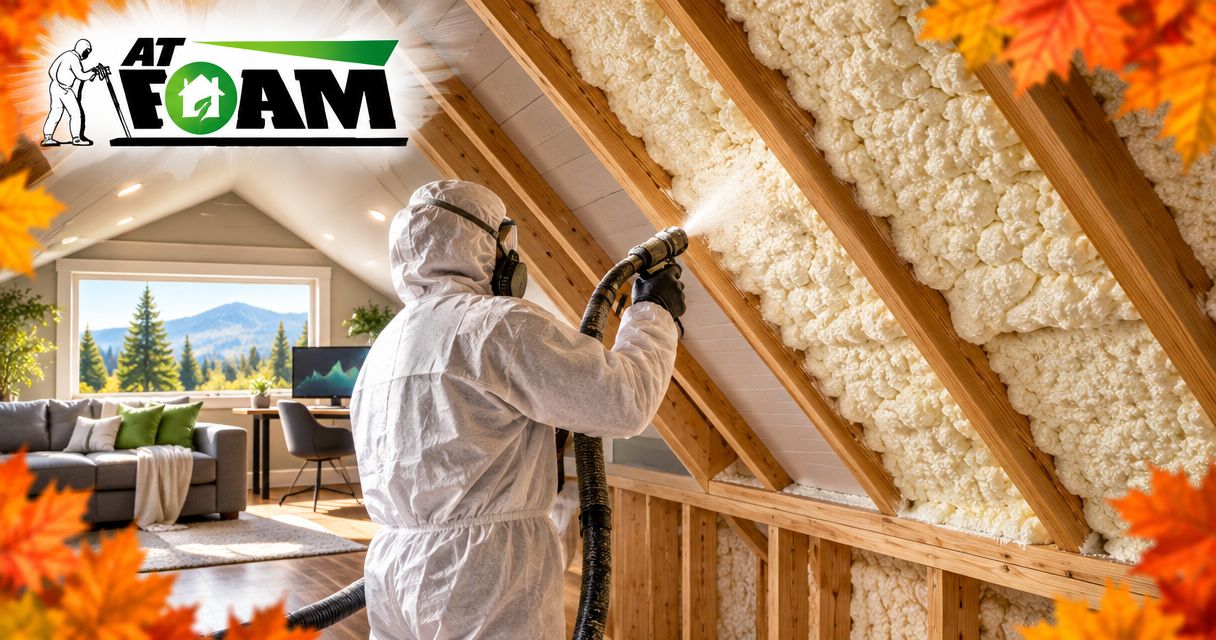
AT Foam Insulation is a veteran-owned contractor installing open-cell and closed-cell spray foam in attics, crawl spaces, and walls across Seattle, Tacoma, Olympia, and the greater Pacific Northwest.
What makes the best cabin insulation?
Use these criteria for your 2026 project before choosing a material:
- Moisture behavior: How readily does the material absorb water or let water vapor pass? The surrounding assembly still needs drainage and drying.
- Air sealing: Does the material stop air movement, or does it need a separate air barrier—a continuous layer that blocks drafts?
- R-value in available space: R-value measures resistance to heat flow. Shallow rafters limit how much insulation fits.
- Roof and floor design: A vented attic, vaulted roof, and raised cabin floor need different details.
- Access and repair: Can you reach wiring, inspect wood, and repair a future leak without removing bonded insulation?
- Installation quality: Gaps, compressed batts, missed edges, and blocked vents weaken an otherwise sound plan.
Cabin insulation options at a glance
These rankings assign each material a different job. They do not mean every cabin should use the same insulation from floor to roof.
| Rank and material | Best for | Standout feature | Key limitation |
|---|---|---|---|
| 1. Closed-cell spray foam | Tight, irregular cavities | Insulation and air sealing in one application | Bonds to surfaces and complicates later access |
| 2. Mineral wool batts | Open walls with repair access | Friction-fit insulation that is removable | Needs a separate air-control layer |
| 3. Blown-in fiberglass | Accessible vented attic floors | Covers broad attic-floor areas | Does not seal ceiling leaks |
| 4. Rigid foam board | Continuous exterior insulation during renovation | Covers framing as well as cavities | Seams, flashing, and attachments need careful detailing |
| 5. Blown-in cellulose | Irregular vented attic floors | Fills around framing and obstructions | Moisture exposure and depth require attention |
| 6. Open-cell spray foam | Deep, dry interior cavities | Air sealing with greater vapor permeability | Cold roof assemblies need specific vapor-control design |
1. Closed-cell spray foam: best for tight cabin cavities
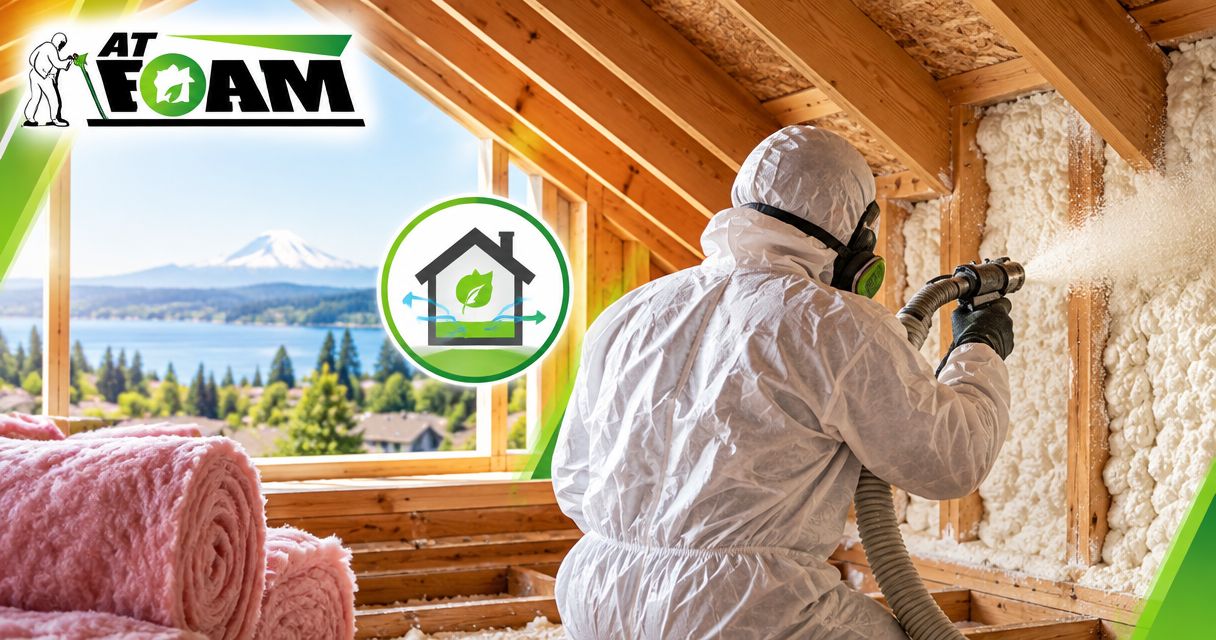
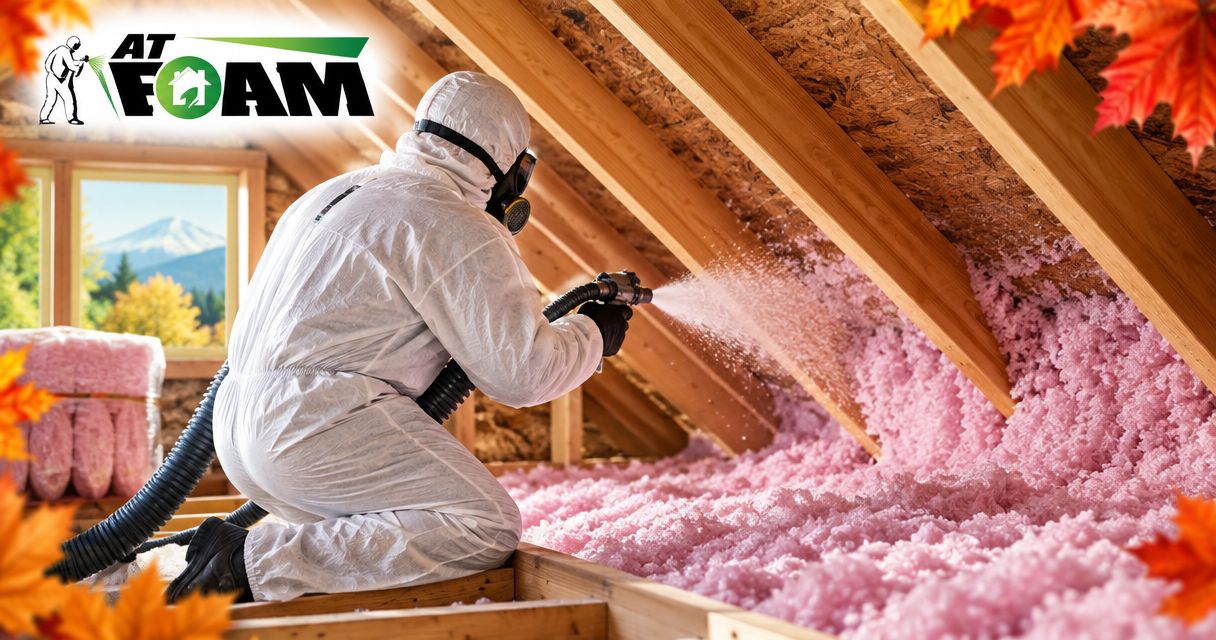
Closed-cell spray foam is a dense insulation applied directly to suitable surfaces. It expands and bonds to the cavity, combining insulation with air sealing where installed continuously at the required thickness.
Typical closed-cell products provide roughly R-6 to R-7 per inch, consistent with published U.S. Department of Energy guidance on liquid foam insulation. Check the selected product's rated value rather than using that range as an installation specification.
Closed-cell spray foam pros:
- Provides substantial thermal resistance where cavity depth is limited.
- Seals irregular edges and penetrations within the treated area.
- Restricts water-vapor movement more than open-cell foam at suitable thicknesses.
Closed-cell spray foam cons:
- Bonded foam makes later access to covered surfaces harder.
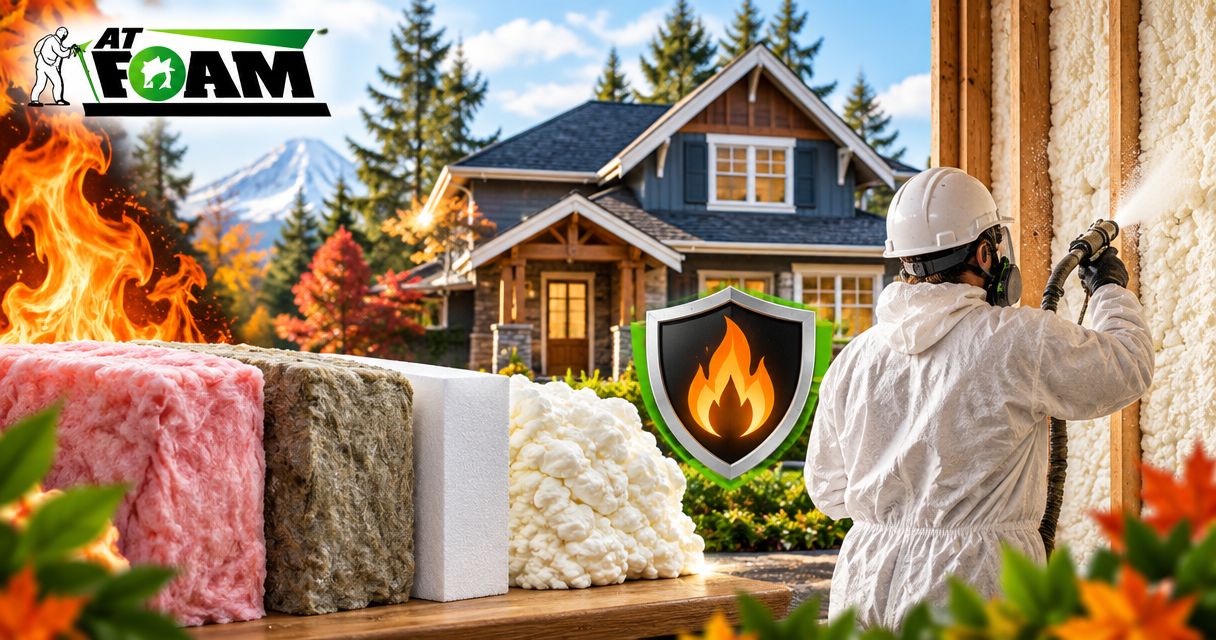
- Requires professional application, occupant protection, and specified fire protection.
- Does not replace roof repairs, ground vapor control, or drainage.
Best for: Shallow or irregular cavities where air sealing and thermal resistance must share limited space. AT Foam Insulation installs closed-cell spray foam; the assembly determines whether it belongs in your cabin.
Verdict: Buy for suitable tight cavities after moisture and drying details are settled.
2. Mineral wool batts: best for accessible cabin walls
Mineral wool batts are fitted pieces of fibrous insulation placed between framing members. They suit open walls where you can see the full cavity and cut accurately around wiring and pipes.
The material does not create an airtight wall. Pair it with a continuous air barrier and vapor-control details suited to the wall's layers and climate.
Mineral wool pros:
- Removable batts preserve access for future repairs.
- Noncombustible material adds a useful fire-resistance characteristic.
- Pieces can be cut to fit around framing and services.
Mineral wool cons:
- Gaps around edges allow heat loss and air movement.
- Batts do not stop drafts through sheathing joints or penetrations.
- Wet surrounding wood still needs repair and drying.
Best for: A cabin renovation with exposed wall framing and a separate air-sealing plan. It also suits owners who want insulation they can remove during later work.
Verdict: Buy for open walls when accurate fitting and separate air sealing are included.
3. Blown-in fiberglass: best for vented attic floors
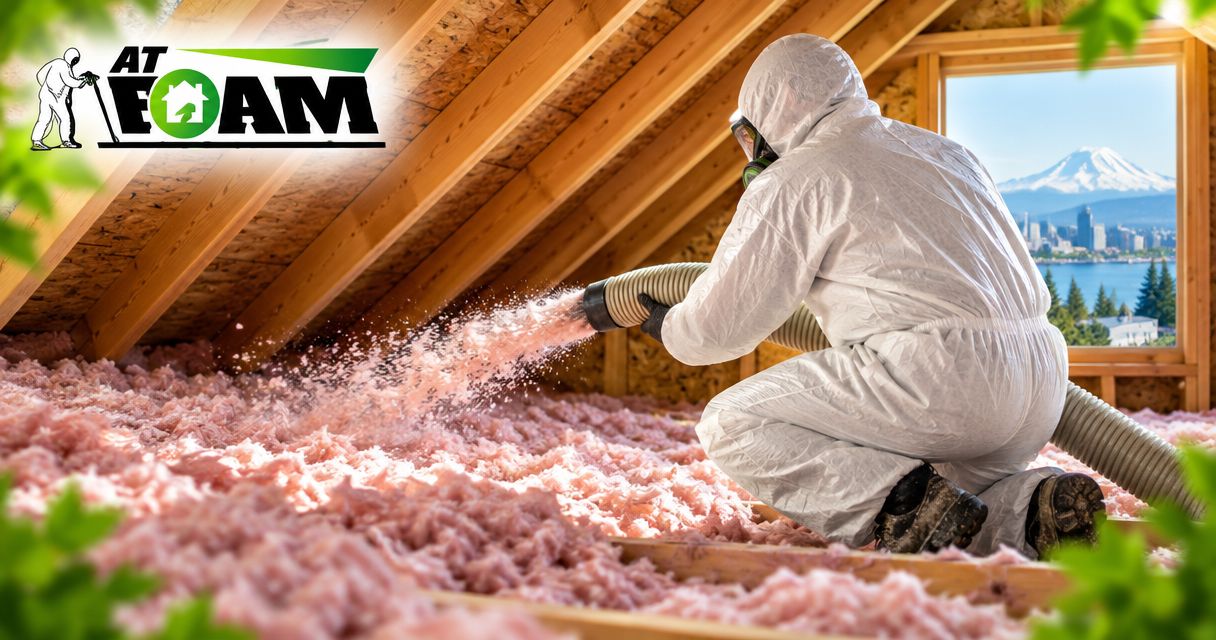
Blown-in fiberglass is loose fibrous insulation distributed across an attic floor. It suits cabins with an accessible attic above a flat ceiling and a roof ventilation path that will remain open.
Fiberglass does not stop air leaking through ceiling penetrations. Seal those openings first, while you can still reach them without moving insulation.
Blown-in fiberglass pros:
- Covers broad attic floors without cutting individual batts.
- Works around joists and many attic obstructions.
- Can be moved aside when repairs require access.
Blown-in fiberglass cons:
- Needs separate air sealing at the ceiling.
- Requires baffles at eaves to protect ventilation paths.
- Loses intended coverage where disturbed, compressed, or left too shallow.
Best for: A dry, vented attic with enough room for the specified insulation depth. Keep storage platforms and walking routes from compressing the insulation.
Verdict: Buy for an air-sealed attic floor; skip it as a substitute for fixing drafts.
4. Rigid foam board: best for exterior cabin renovations
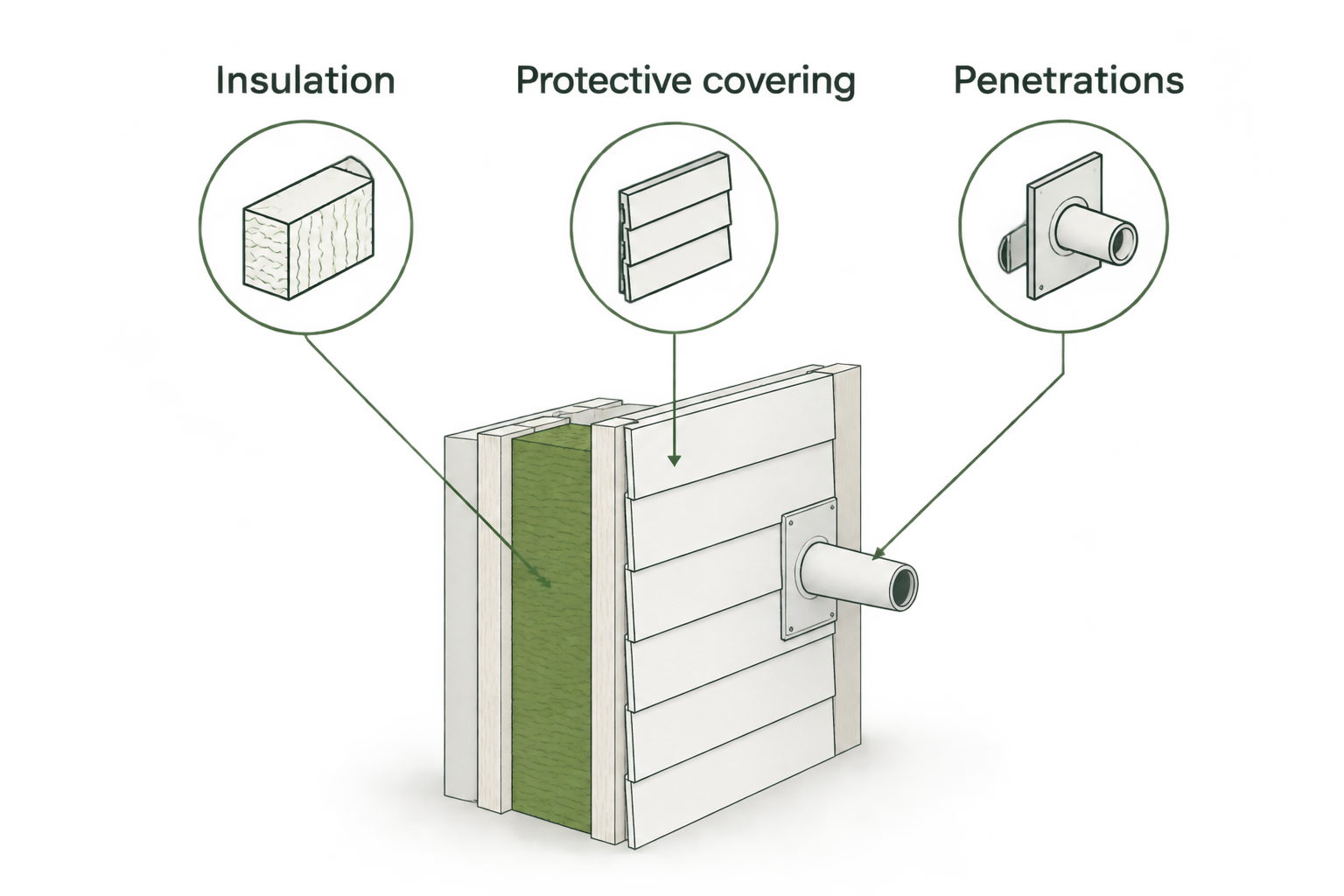
Rigid foam board comes in panels installed as part of a roof, wall, or foundation assembly. Continuous exterior insulation covers framing members, reducing thermal bridging—the heat that travels through wood framing around cavity insulation.
This option makes particular sense when siding or roofing is already being removed. The project must account for window edges, roof transitions, drainage, and attachment through the insulation.
Rigid foam board pros:
- Continuous coverage reduces heat flow through framing.
- Exterior placement can keep underlying sheathing warmer.
- Different board types offer different vapor-control characteristics.
Rigid foam board cons:
- Cut edges and seams need deliberate sealing details.
- Added thickness changes trim, flashing, and fastening requirements.
- Foam plastic requires applicable fire protection.
Best for: A planned exterior renovation where the enclosure can be detailed as a whole. Choose the board type and thickness with the full assembly in view.
Verdict: Buy during a coordinated siding or roofing project, not as an isolated patch.
5. Blown-in cellulose: best for irregular attic-floor coverage
Blown-in cellulose is treated plant-fiber insulation, commonly made from recycled paper. Loose-fill installation covers attic floors around framing and obstructions without fitting individual batts.
Like blown-in fiberglass, cellulose needs a separate air-sealing job underneath it. The installer must also follow the product's coverage and settled-depth requirements.
Blown-in cellulose pros:
- Fills around irregular attic-floor framing.
- Uses recycled fiber as its primary material.
- Can be moved aside for later ceiling repairs.
Blown-in cellulose cons:
- Water exposure requires investigation and corrective work.
- Settling must be accounted for during installation.
- Does not replace an air barrier or protect blocked roof vents.
Best for: A dry, accessible vented attic with ceiling leaks sealed and clear depth markers. Keep insulation clearances around heat-producing equipment consistent with its listing and code.
Verdict: Buy for a properly prepared attic; skip installation over unresolved moisture.
6. Open-cell spray foam: best for deep, dry interior cavities
Open-cell spray foam is a lower-density foam that expands into cavities and can provide air sealing at its specified thickness. Typical products provide around R-3.5 to R-3.6 per inch, as described in Department of Energy guidance on liquid foam insulation.
Open-cell foam allows more water-vapor movement than closed-cell foam. That difference matters when warm indoor air meets a cold cabin roof assembly; greater vapor permeability is not automatic protection against condensation.
Open-cell spray foam pros:
- Fills irregular, accessible cavities.
- Combines cavity insulation with air sealing at the specified thickness.
- Allows more vapor movement than closed-cell foam.
Open-cell spray foam cons:
- Needs more cavity depth for the same nominal R-value.
- Requires careful vapor-control design beneath cold roof sheathing.
- Requires professional application and applicable fire protection.
Best for: Deep, dry cavities where the assembly's vapor-control plan supports its use. Compare open-cell versus closed-cell spray foam before choosing either for a roof.
Verdict: Hold until the contractor explains the drying and condensation-control details.
How these cabin insulation options are ranked
This 2026 ranking puts assembly fit ahead of a single R-value. Closed-cell foam takes the default tight-cavity slot because it combines thermal resistance with air sealing; removable fibers and continuous boards win different jobs.
No material earns a pass on leaks, wet wood, blocked ventilation, or poor fitting. The Department of Energy's Energy Saver guidance supports the material distinctions and typical foam R-values above; the selected manufacturer's documentation governs the actual installation.
What should your cabin estimate include?
Before approving a 2026 insulation scope, ask for a written plan covering the following:
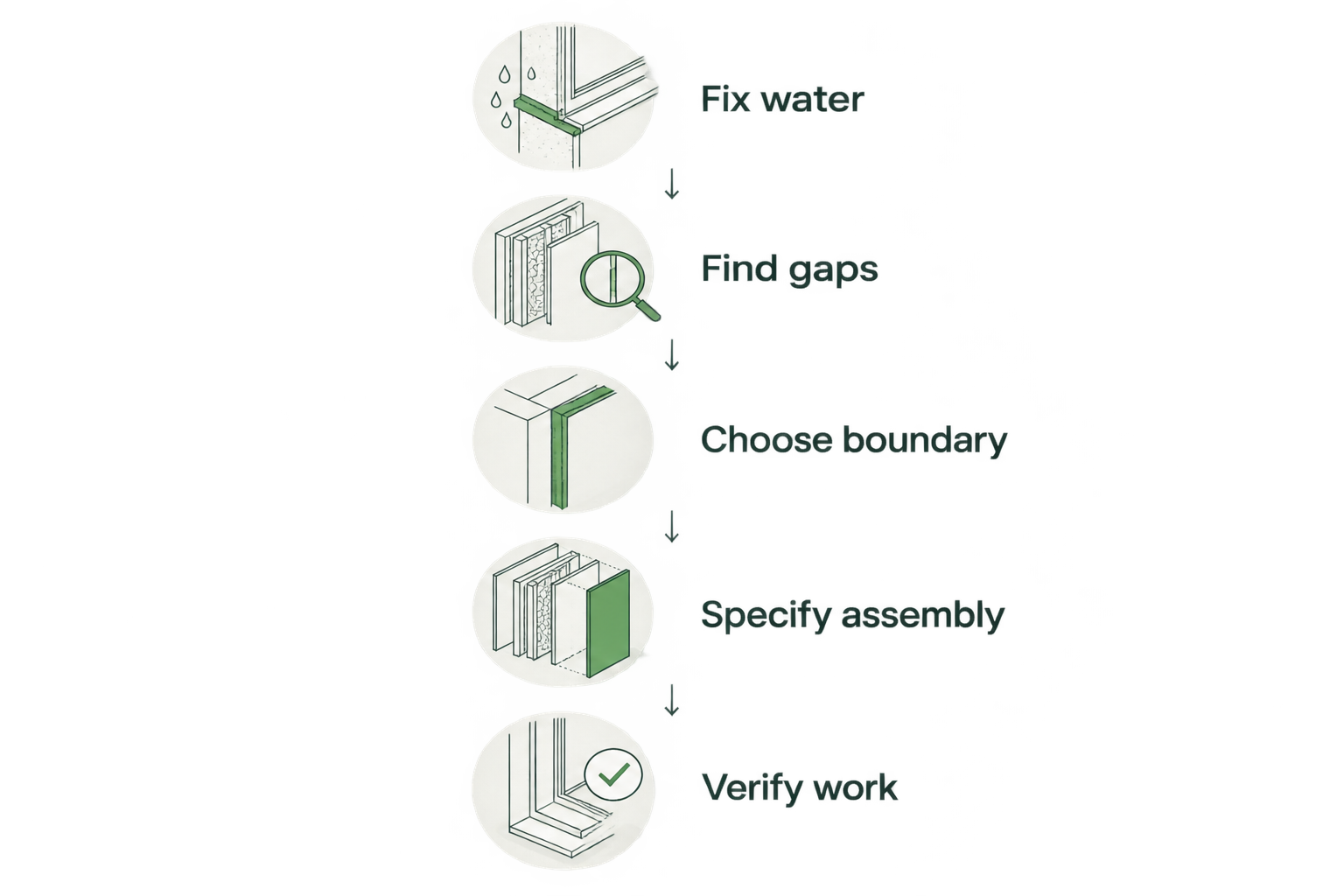
- Water repairs: Identify roof leaks, plumbing leaks, standing water, and damaged framing before insulation covers anything.
- Insulation boundary: State whether insulation follows the attic floor, roofline, cabin floor, or crawl-space walls.
- Specified performance: List the material, installed thickness in inches, and target R-value. A nominal 2-by-6 wall does not tell you the finished assembly's performance.
- Air and vapor control: Show how the work connects at walls, roof edges, and the rim joist—the perimeter framing above the foundation.
- Safety and access: Include electrical concerns, equipment clearances, foam protection, ventilation, and manufacturer-directed re-entry requirements.
AT Foam Insulation offers free estimates and is licensed and insured. Ask the local crew to explain the proposed cabin insulation boundary before you approve the material.
Which insulation should you choose for your cabin?
Choose closed-cell spray foam for suitable tight cavities, mineral wool for accessible walls, and blown-in fiberglass for a prepared vented attic floor. Use rigid board when an exterior renovation creates the opportunity for continuous coverage.
AT Foam Insulation is best for cabin owners seeking local open-cell or closed-cell spray foam installation in the greater Pacific Northwest. Choose the assembly first, then the insulation—not the other way around.
FAQ
What’s the best insulation for cabins in the Pacific Northwest in 2026?
Closed-cell spray foam is the strongest default for suitable tight cavities that need air sealing and insulation together. Mineral wool suits accessible walls, while blown-in fiberglass suits prepared vented attic floors.
Is closed-cell spray foam better than fiberglass for a cabin?
Closed-cell spray foam is better when limited cavity depth and air leakage drive the decision. Fiberglass suits accessible vented attic floors when a separate ceiling air barrier is properly sealed.
Can I insulate a damp cabin crawl space right away?
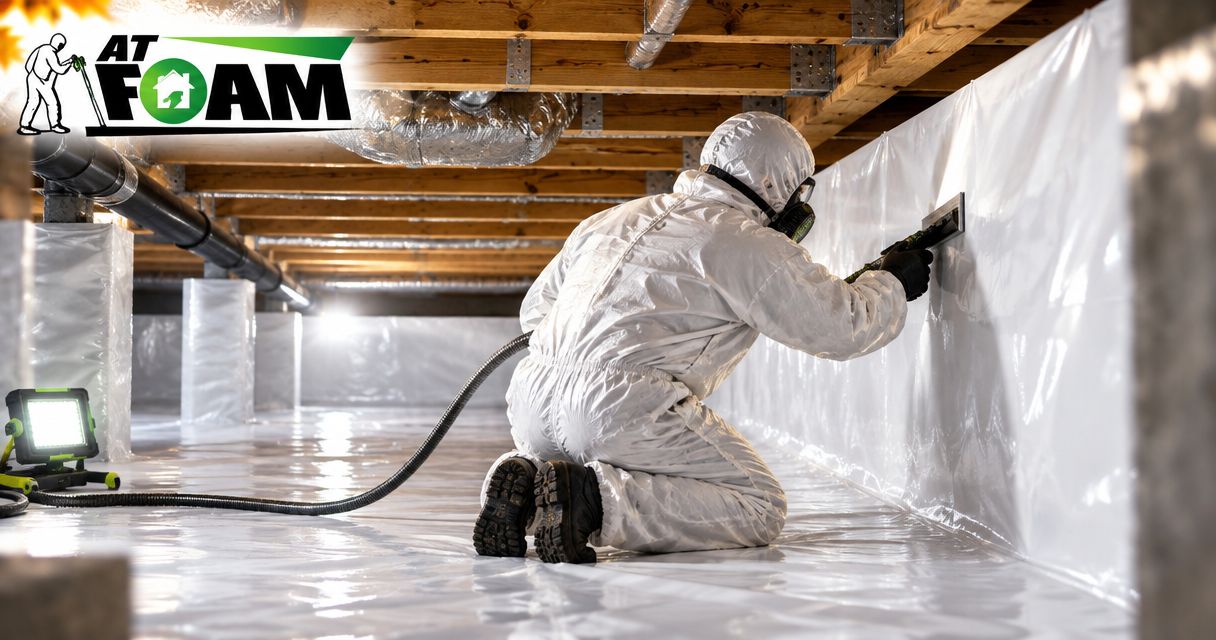
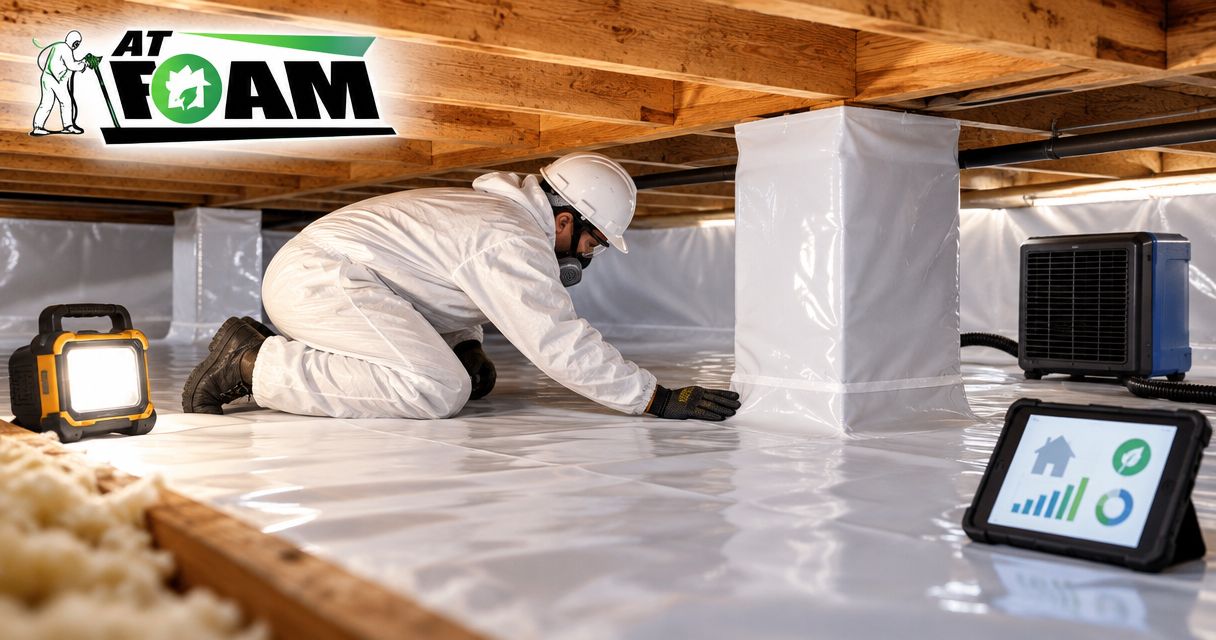
Fix the moisture source and assess the framing before installing insulation. Drainage, ground vapor control, plumbing repairs, and drying are separate jobs that insulation does not replace.
Does a weekend cabin need insulation if I only heat it during visits?
Insulation reduces heat flow whenever indoor and outdoor temperatures differ. Your plan must also address ventilation and moisture introduced when people return to a cold cabin.
Should I spray foam the attic floor or the roof deck?
Choose the insulation boundary before choosing where to spray. Attic-floor insulation generally keeps a vented attic outside the heated space; roof-deck insulation requires a coordinated roof and ventilation design.
Is open-cell foam safe to use beneath a cabin roof?
Open-cell foam requires a roof assembly designed for condensation control and drying. Do not approve it beneath cold roof sheathing without an explanation of the vapor-control layers and applicable requirements.
Will insulation stop mold or keep rodents out?
Insulation is not mold treatment or a complete pest barrier. Correct moisture problems, address affected materials, and close animal entry points with suitable exclusion materials.
One last thing
Before covering cabin framing, photograph the exposed roof, walls, wiring routes, and plumbing. Keep those real job photos with your 2026 project records. They give you a useful reference when a future repair requires opening the building again.
Related guides
- Best insulation for vaulted ceilings in Pacific Northwest homes
- Crawl-space insulation ranked by moisture resistance
- How to connect spray foam insulation to whole-house ventilation
Get a FREE Quote. Call 425-999-8493.